





Email: 17786872035@163.com
WhatsApp:+86 17786872035
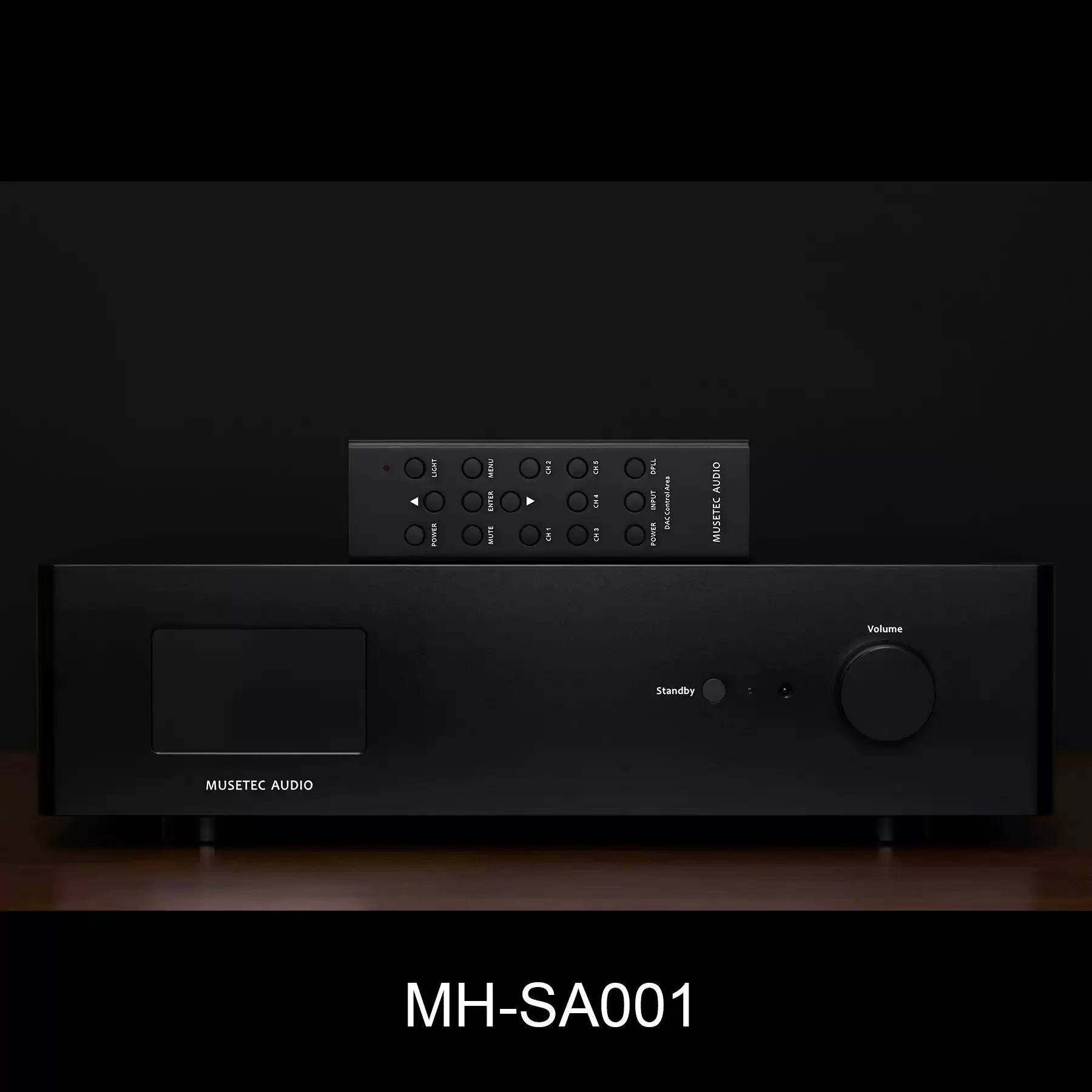
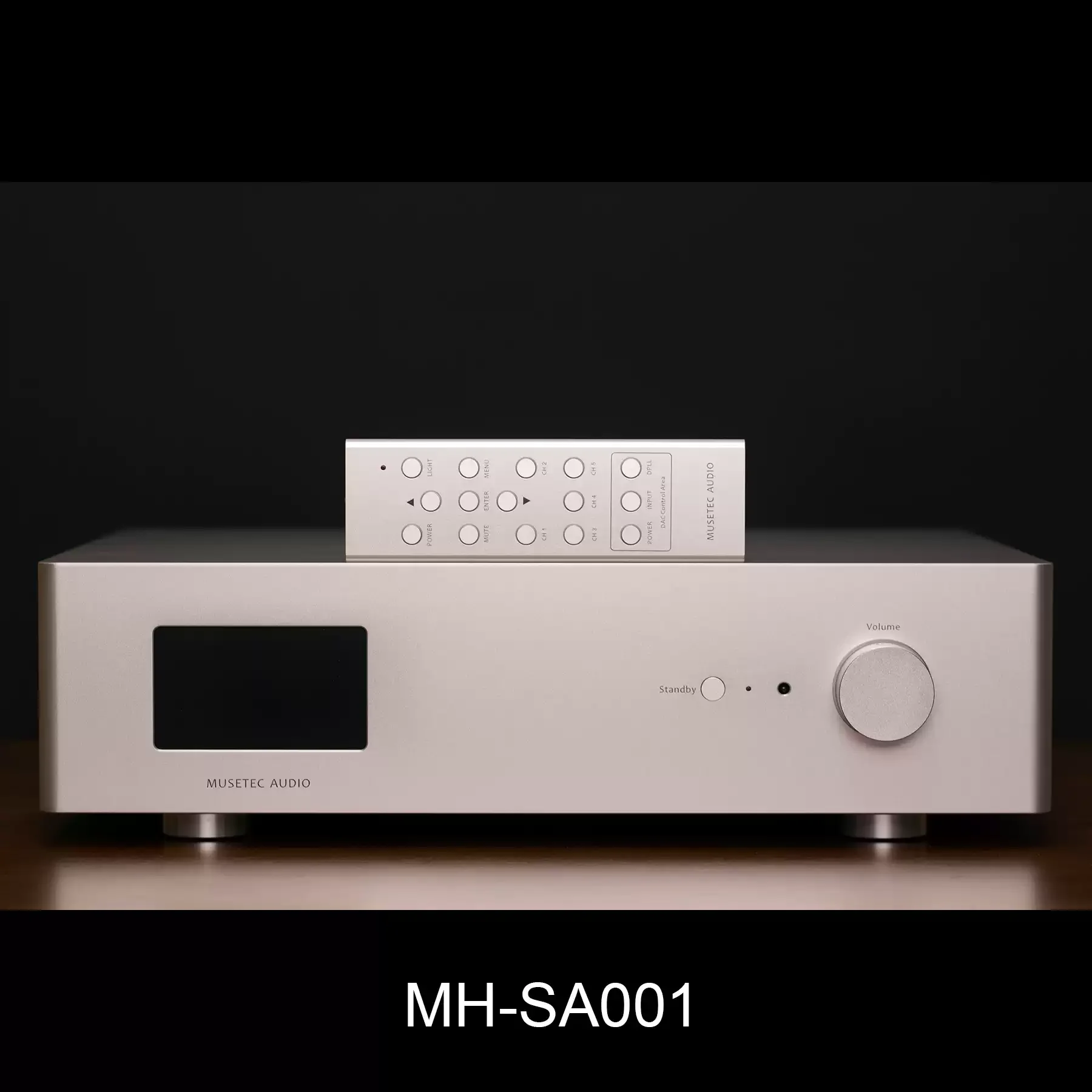
In a Hi‑Fi system, the performance of a pre‑amplifier plays a decisive role in sound reproduction. After eight‑years‑long dedicated R&D on pre‑amplifiers, MUSENTEC was driven by an audiophile’s core pursuit: to achieve a sound that fully satisfies ourselves. The end result is our flagship solid‑state pre‑amplifier, model MH‑SA001.
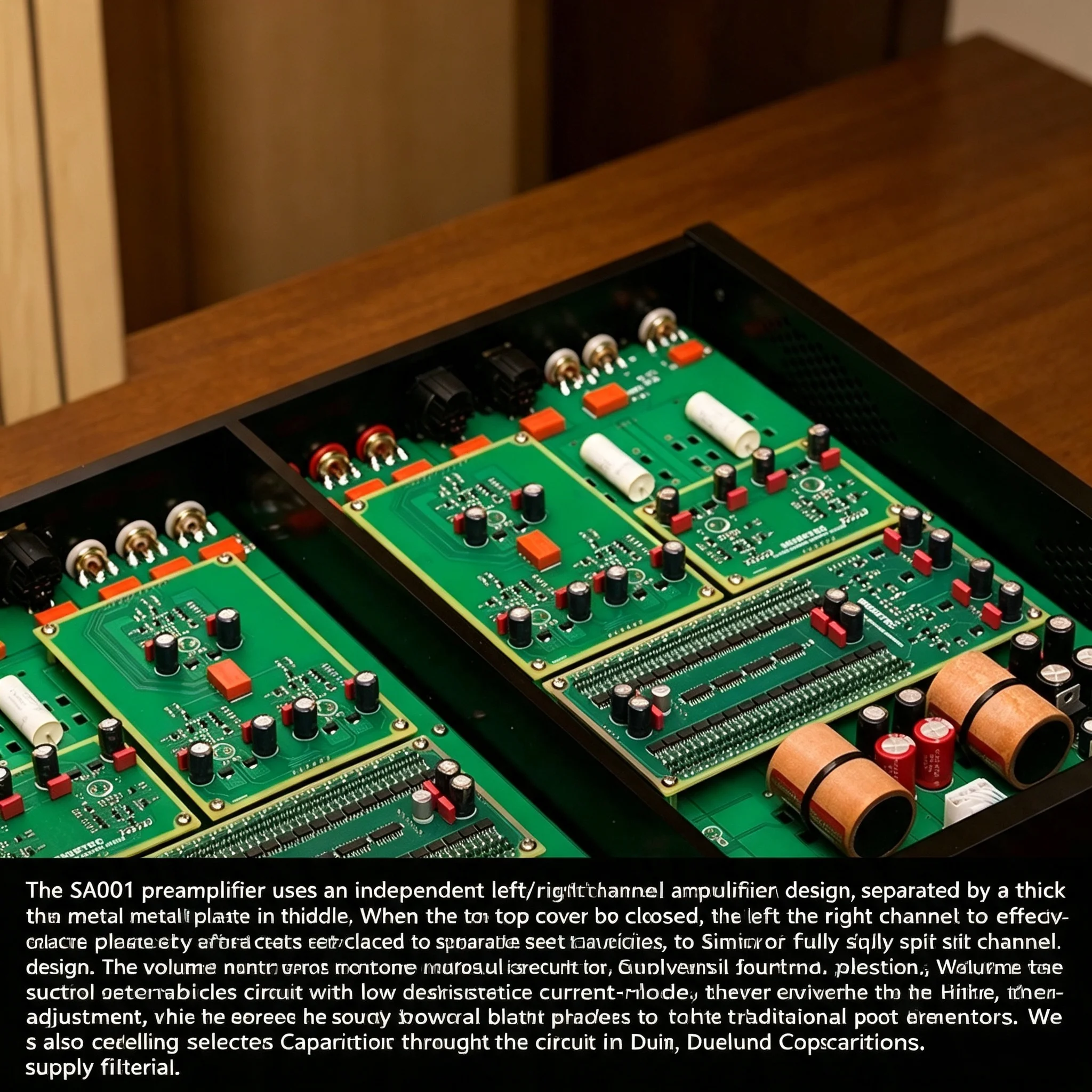
This fully‑in‑house‑designed pre‑amplifier adopts an all‑discrete‑component architecture. Parameters of every functional circuit are finely tuned for optimal operating conditions. Highlights include a JFET input module for input‑signal buffering, a current‑mode constant‑current‑drive module for volume‑control circuitry, and a high‑current output module for signal output.
Special attention should be paid to the volume‑control circuit, an indispensable and critical building block for any pre‑amplifier. A wide variety of audio potentiometers are available on‑market: entry‑level carbon‑film types such as the well‑known ALPS‑16 / ALPS‑27; mid‑tier film‑type potentiometers from brands like AN and Guangyin; high‑precision resistive‑ladder potentiometers; and premium resistor‑mount potentiometers familiar to high‑end tube‑preamp enthusiasts, including Elma, Seiden and Amco.
Generally speaking, potentiometers exert an enormous impact on sonic performance. The root cause lies in the high impedance (tens of kilo‑ohms) inherent to these resistive‑divider potentiometers. After passing through a high‑impedance potentiometer, the audio signal feeds into the amplifier. Excessively high source impedance presented to the amplifier prevents it from operating in its optimal state, which degrades subjective sound quality.
During development, MUSENTEC evaluated numerous potentiometer solutions. One of our most premium trials deployed a Seiden quad‑gang frame populated with 88 AN non‑inductive resistors; AN silver resistors were implemented for frequently‑used volume steps. This represented near‑ultimate performance achievable by conventional mechanical potentiometers. We also tested electronic‑volume ICs such as the NJRC MUSE72320 series, as well as relay‑switched resistor‑network potentiometers. Each solution demonstrated distinct strengths and weaknesses.
Our final volume‑control concept drew inspiration from our long‑term DAC development experience. Custom‑built modular circuitry converts incoming voltage‑mode audio signals into current‑mode signals, followed by dissipative attenuation across a fixed low‑impedance network. This delivers what we regard as an “ideal‑behaviour†potentiometer. This low‑impedance current‑mode transmission architecture completely avoids multiple drawbacks induced by high input impedance seen in mechanical potentiometers and electronic‑volume chips, yielding the sonic signature we pursued. Realising this circuit was an arduous, painstaking engineering journey.
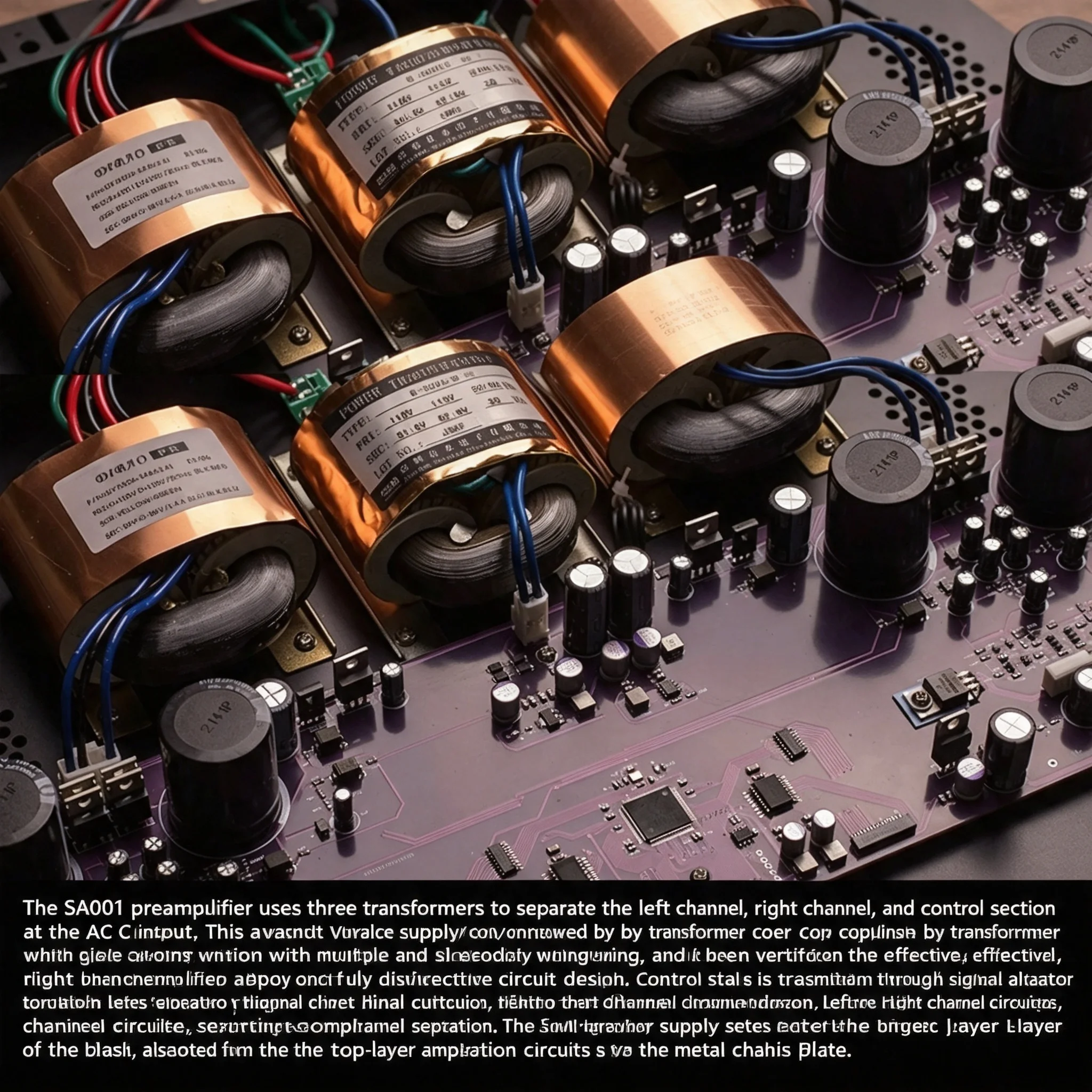
Beyond our “ideal†volume control, power‑supply design received extreme priority. Poor power‑supply design introduces interference and signal crosstalk, robbing sound of purity and harmonic definition, with subjectively frustrating results. Separate power transformers supply the left channel, right channel and control circuitry respectively. Galvanic isolators electrically separate digital control circuits from analogue audio circuits for left‑ and right‑channels. This delivers fully‑isolated left‑/right‑channel audio and control circuits with no shared ground path. Crosstalk between left‑ and right‑channel audio signals is virtually eliminated; digital‑supply noise originating from control circuitry cannot contaminate analogue audio. Though housed within a single chassis, internally this unit functions as three fully‑independent devices.
Built upon the above‑mentioned circuit‑design foundations, we also devoted great effort to power‑supply decoupling‑capacitor selection. Dozens of capacitor types underwent extensive listening evaluations. Only after lengthy subjective tests did we finalise our capacitor combination; different capacitor groupings clearly alter tonal balance. This process demands immense patience and genuine enjoyment of fine‑tuning, otherwise it is practically unachievable.
Thanks to these pursuit‑of‑perfection design choices, this pre‑amplifier delivers remarkably full‑bodied, dense sound across the whole frequency spectrum. The presentation is authentic and natural, with uncompressed high‑frequency and low‑frequency extension, well‑balanced energy distribution, outstanding texture and excellent imaging. Its balanced sonic performance surpasses that of our previous no‑expense‑spared tube pre‑amplifier. Likely due to high‑impedance potentiometers used inside the tube pre‑amplifier, its mid‑high frequencies sounded somewhat thin, creating subtle tonal imbalance against the low‑end despite its warmth and transparency. Subjectively, our former tube pre‑amplifier failed to satisfy our requirements across diverse musical genres. This solid‑state pre‑amplifier out‑performs our tube pre‑amplifier on countless sonic attributes and fulfils our listening expectations.
Main Features
1.Fully‑separated circuitry for left and right channels to achieve complete isolation
2.Pure Class‑A amplifier circuit design
3.Discrete‑component‑based low‑impedance‑path current‑mode volume‑control circuit
4.256‑step volume levels; 0.25â€Â¯dB step resolution for commonly‑used volume range
5.Frequency Response: −1â€Â¯dB @ 1.3â€Â¯Hz ~ 900â€Â¯kHz
6.Minimum THD+N: approx. 0.00049â€Â¯% (A‑weighted)
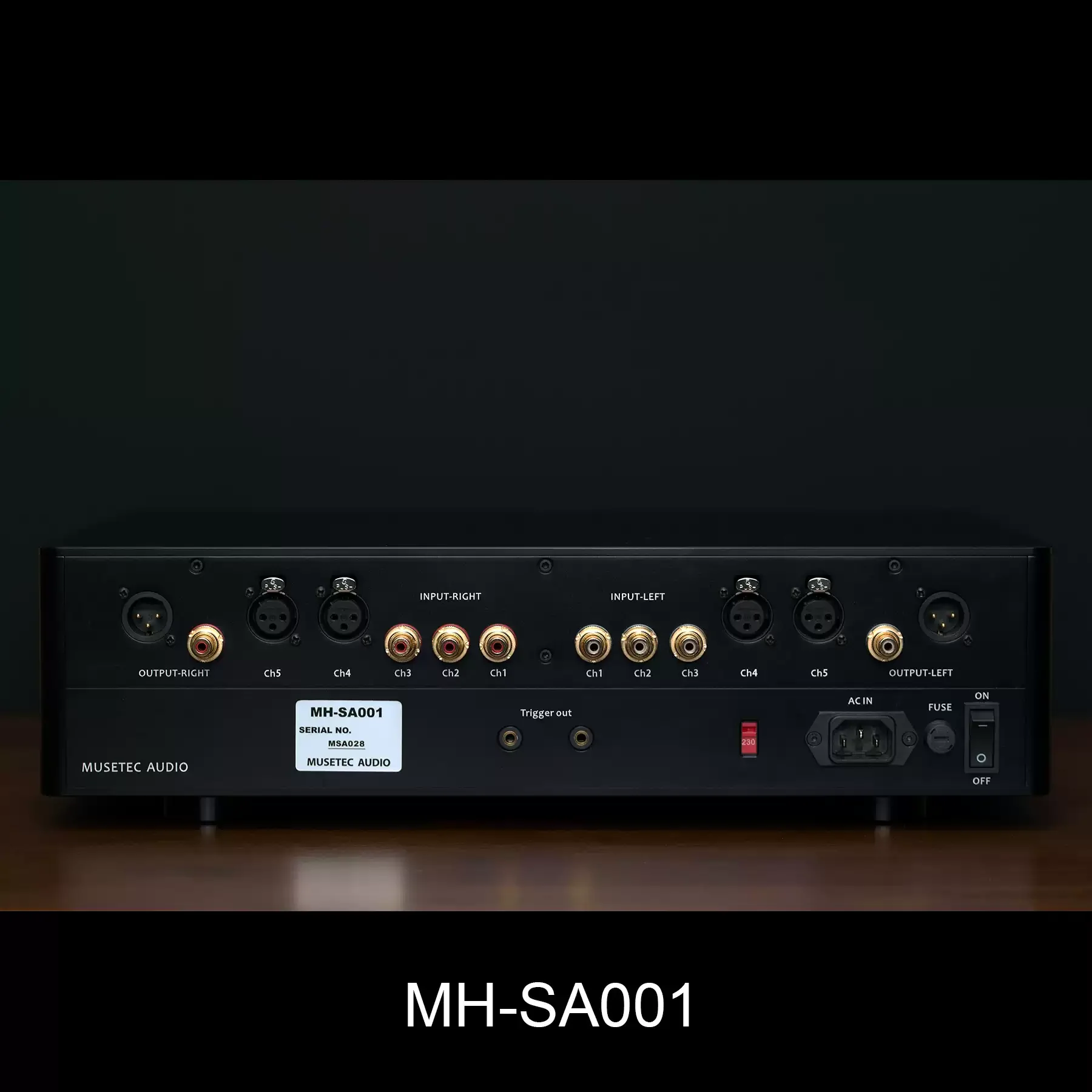
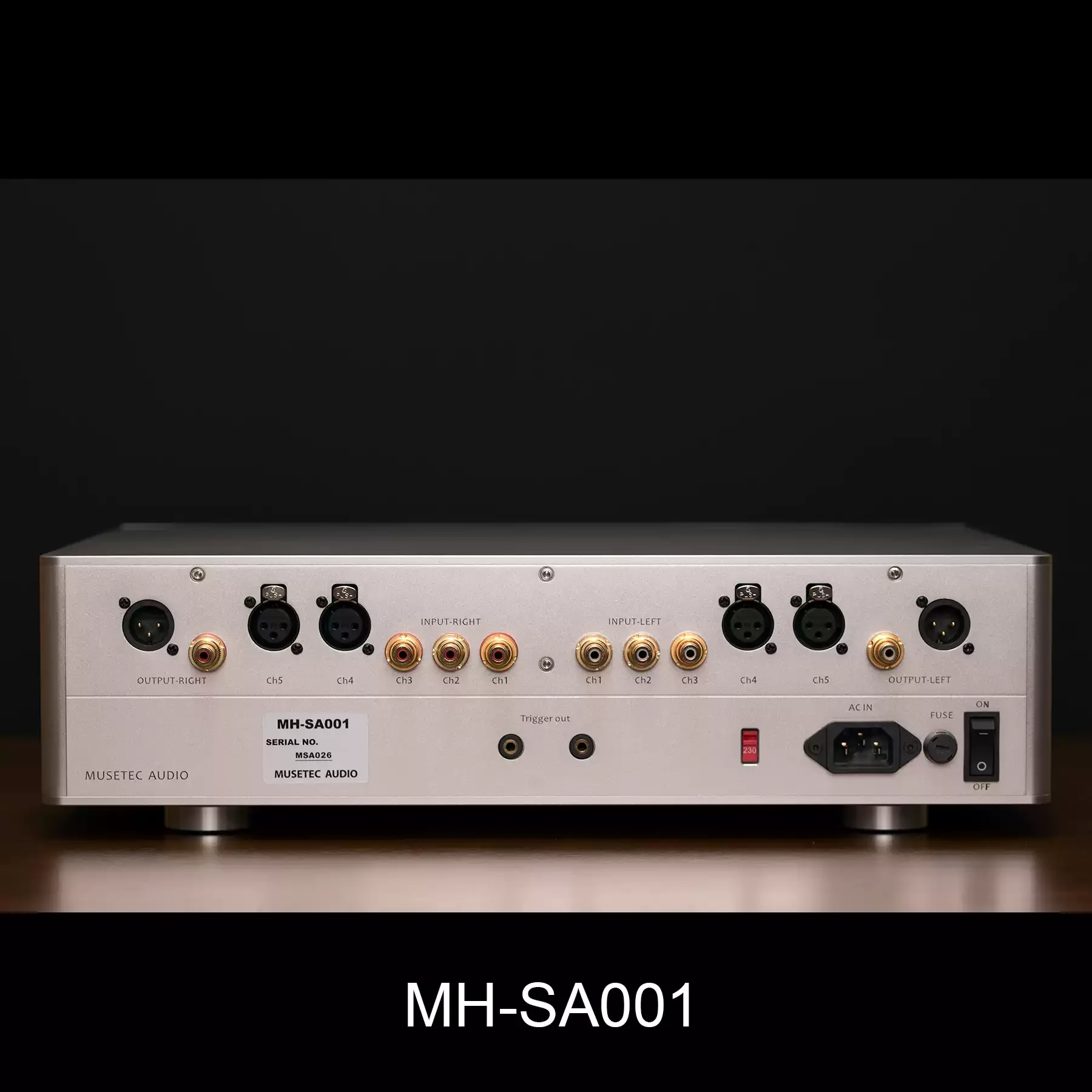
7.5‑selectable input ports: 3×RCA, 2×XLR
8.2 output ports working simultaneously: 1×RCA, 1×XLR
9.Supports RCA‑in to XLR‑out, as well as XLR‑in to RCA‑out
10Dimensions (W × D × H): 430 × 380 × 122â€Â¯mm
11.Net Weight: 12.2â€Â¯kg
Related Products


 HP70 Black
 HP70 Silver
Audalytic HP70 Headphone Amplifier Fully Balanced Class A Headphone Amplifier Preamp Remote Control
Price range: $398.20 through $406.30

 AVplay A-75 X2
AVplay A-75 Dual Mono Class A Power Amplifier, Dynamic Voltage LCD Display, Bridgeable Single Channel Power Amp x2 HiFi Audiophi
Price range: $6,000.00 through $6,300.00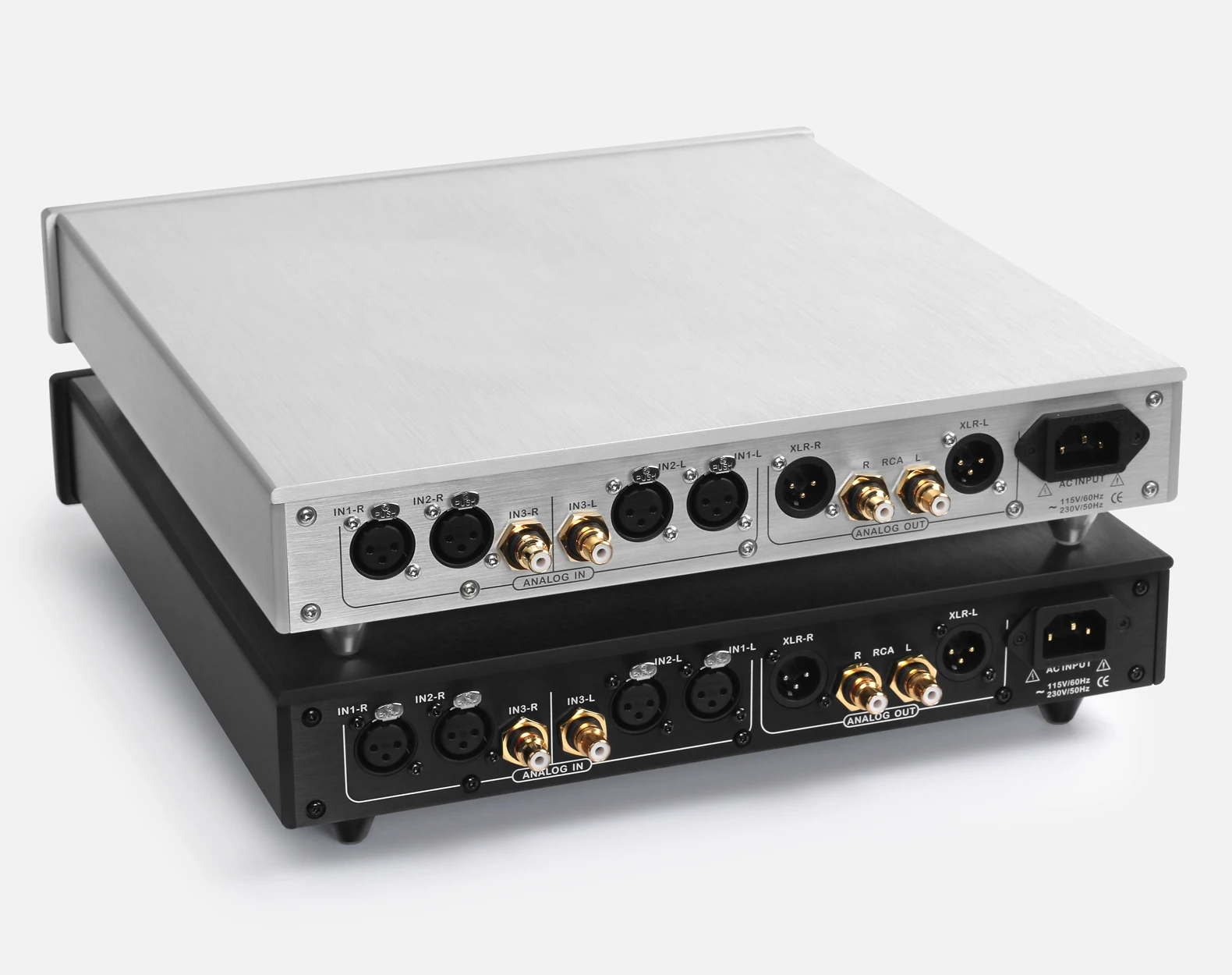
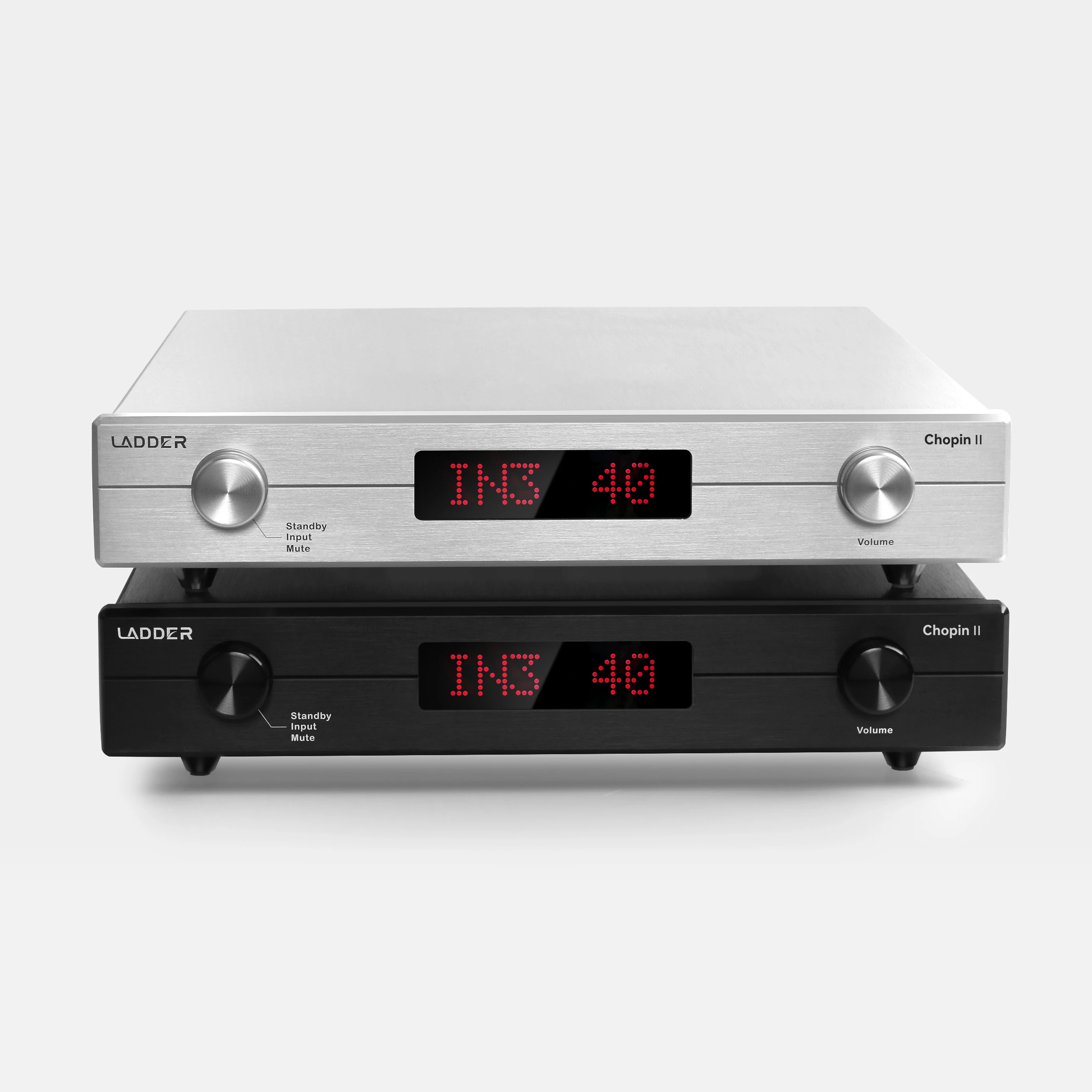
Ladder Chopin II Fully Balanced HiFi Preamplifier R-2R Structure Stable Output Amplifier RCA XLR
Price range: $1,314.70 through $1,397.00

 Queenway PRE-501TU


Reviews
There are no reviews yet.